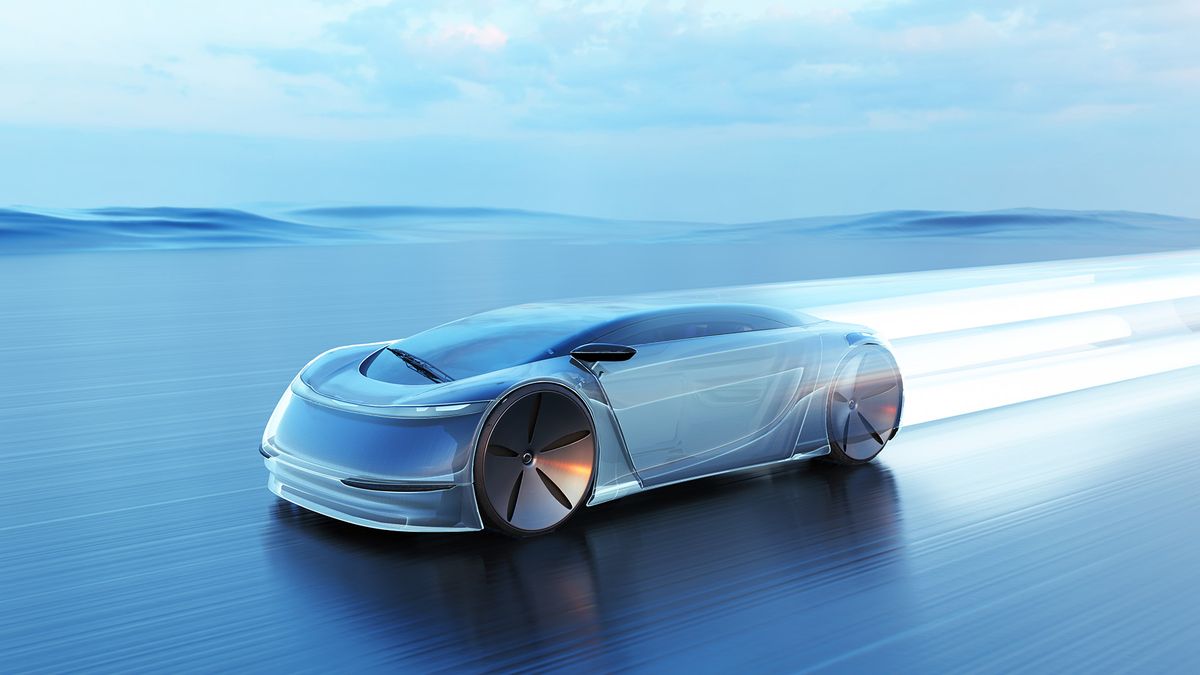
The automotive industry is undergoing a significant transformation as the world shifts toward more sustainable and eco-friendly solutions. Electric vehicles (EVs) are at the forefront of this revolution, with more consumers and manufacturers embracing the idea of greener transportation. As countries around the globe set ambitious goals to reduce carbon emissions and combat climate change, electric vehicles have emerged as one of the most promising solutions to achieve a sustainable future. In this article, we will explore the rise of electric vehicles, their benefits, and the challenges that lie ahead.
What are Electric Vehicles?
Electric vehicles (EVs) are cars that are powered entirely by electricity, as opposed to traditional internal combustion engine (ICE) vehicles that rely on gasoline or diesel fuel. EVs use electric motors that are powered by rechargeable battery packs, with no need for fuel, exhaust pipes, or traditional maintenance systems like oil changes. There are two main types of electric vehicles:
Battery Electric Vehicles (BEVs): These are fully electric vehicles that rely solely on electric power stored in batteries. They must be plugged into charging stations to recharge their batteries.
Plug-in Hybrid Electric Vehicles (PHEVs): These vehicles combine both an electric motor and a traditional internal combustion engine (ICE). PHEVs can run on electricity alone for shorter trips, but the gasoline engine kicks in for longer journeys, offering flexibility for drivers who may have concerns about charging infrastructure.
The Benefits of Electric Vehicles
Electric vehicles offer numerous advantages that make them an appealing choice for both consumers and governments. Some of the key benefits include:
- Environmental Benefits
The most significant advantage of EVs is their positive environmental impact. Unlike traditional vehicles that emit harmful gases like carbon dioxide (CO2), nitrogen oxides (NOx), and particulate matter, EVs produce zero tailpipe emissions. This makes them an ideal solution to combat air pollution and reduce greenhouse gas emissions, which contribute to global warming.
- Lower Carbon Footprint: EVs contribute to a reduction in carbon emissions, especially when powered by renewable energy sources like solar or wind. This is essential in the fight against climate change, as the transportation sector is one of the largest contributors to global carbon emissions.
- Reduced Air Pollution: EVs help reduce harmful pollutants like nitrogen oxides, which are major contributors to smog and respiratory diseases. By switching to electric cars, urban areas can experience cleaner air and improved public health outcomes.
- Lower Operating Costs
While EVs can be more expensive to purchase upfront compared to traditional cars, they tend to be more cost-effective in the long run. This is due to their lower operating costs and fewer maintenance requirements.
- Cheaper to Charge: Charging an EV is generally much cheaper than filling up a traditional gas-powered vehicle. With the cost of electricity typically lower than gasoline, EV owners can save money on fuel expenses.
- Fewer Maintenance Needs: EVs have fewer moving parts compared to internal combustion engine (ICE) vehicles. As a result, they require less frequent maintenance, and common issues like oil changes or exhaust system repairs are eliminated.
- Quiet Operation and Improved Driving Experience
One of the immediate benefits of driving an electric vehicle is the quiet operation. EVs are significantly quieter than gasoline-powered cars, providing a smoother and more enjoyable driving experience.
- Less Noise Pollution: EVs contribute to reducing noise pollution in urban areas, creating quieter, more peaceful cities. The quiet ride is a key selling point for consumers seeking a more refined driving experience.
- Instant Torque: Electric motors provide instant torque, delivering rapid acceleration and smooth handling. Many EVs offer an impressive driving experience with responsive performance and quiet operation, making them fun to drive.
- Government Incentives and Support
To encourage the adoption of electric vehicles, many governments around the world offer various incentives and support programs. These may include tax credits, rebates, grants, and subsidies for purchasing EVs, as well as investments in charging infrastructure and renewable energy sources.
- Tax Credits and Rebates: In countries like the United States, buyers of electric vehicles may qualify for substantial tax credits or rebates, significantly reducing the cost of purchasing an EV.
- Subsidized Charging Infrastructure: Many governments are also investing in the installation of EV charging stations to make it easier for consumers to charge their vehicles. This infrastructure development is essential to addressing concerns about range anxiety, a common issue for EV owners.
Challenges of Electric Vehicles
While electric vehicles offer numerous benefits, there are several challenges that still need to be addressed before they can become mainstream:
- Range Anxiety
One of the primary concerns of potential EV buyers is the limited driving range. While advancements in battery technology have significantly improved the range of modern electric vehicles, some consumers are still worried about running out of battery power before reaching a charging station. This concern, known as “range anxiety,” can be a major barrier to EV adoption.
- Battery Range Improvements: Manufacturers are working to improve the energy density of batteries, which will increase the range of EVs. In the future, EVs may be able to match or exceed the range of gasoline-powered cars.
- Charging Infrastructure Expansion: The expansion of charging infrastructure, including fast-charging stations, will help alleviate range anxiety by ensuring that drivers can easily access charging points on long trips.
- Charging Time and Availability
While refueling a traditional car takes only a few minutes at a gas station, charging an electric vehicle can take several hours, depending on the charging method and the size of the battery. Although fast-charging stations are becoming more common, they are still not as widely available as traditional gas stations.
- Faster Charging Solutions: Manufacturers are working on developing ultra-fast charging technologies that can reduce charging times significantly. The goal is to make the charging experience as quick and convenient as refueling a conventional vehicle.
- Widespread Charging Network: To fully support EVs, a widespread network of accessible and reliable charging stations is needed, particularly in rural or remote areas where charging infrastructure may be limited.
- High Initial Cost
Despite the long-term savings, the initial cost of purchasing an electric vehicle can still be a significant barrier for many consumers. While prices have come down in recent years, EVs are generally more expensive than comparable gasoline-powered vehicles, largely due to the high cost of batteries.
- Battery Cost Reductions: As technology advances, the cost of batteries is expected to decrease, making EVs more affordable for the average consumer. Battery recycling and advancements in manufacturing processes will also play a role in lowering costs.
- Subsidies and Incentives: Government incentives and subsidies are helping to make electric vehicles more affordable for consumers. As EV production scales up and competition increases, prices are likely to decrease further.
- Environmental Impact of Battery Production
Although electric vehicles themselves are environmentally friendly, the production of batteries can have a significant environmental impact. The mining of raw materials like lithium, cobalt, and nickel for EV batteries can cause harm to ecosystems and communities if not managed responsibly.
- Sustainable Mining Practices: Companies are exploring ways to reduce the environmental impact of mining and promote sustainable practices in the supply chain.
- Recycling and Second-Life Batteries: Innovations in battery recycling and the reuse of EV batteries for other purposes (such as energy storage) will help mitigate the environmental impact of battery production.
The Future of Electric Vehicles
The future of electric vehicles is bright, and their widespread adoption will play a crucial role in reducing global carbon emissions and mitigating climate change. As technological advancements continue to improve battery efficiency, reduce costs, and enhance charging infrastructure, electric vehicles will become an increasingly viable option for consumers worldwide.
Governments, automakers, and consumers must continue to work together to overcome the challenges facing electric vehicle adoption. With the right support and investment, electric vehicles will become the norm, not the exception, transforming the transportation sector and helping to create a cleaner, more sustainable future.



0 Comments