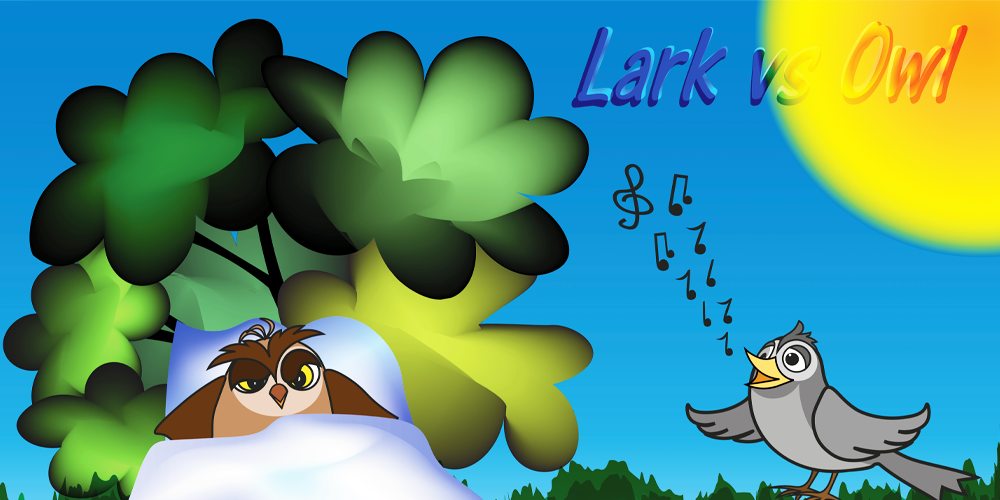
Have you ever noticed that you feel more energized and productive at certain times of the day? This phenomenon is tied to your natural body rhythm, which determines whether you are a “morning lark” or a “night owl.” Understanding which category you fall into can significantly impact your productivity, health, and overall well-being.
What Does It Mean to Be a "Morning Lark"?
A “morning lark” is someone who feels most alert and energetic in the early hours of the day. These individuals typically wake up early, feeling refreshed, and are often at their peak productivity during the morning and early afternoon. The morning hours seem to offer the best environment for them to focus and tackle challenging tasks. Their natural circadian rhythm prompts them to go to bed early and wake up early, and they feel their best when they follow this schedule.
Being a morning lark has its advantages. Studies have shown that people who wake up early tend to be more proactive, healthier, and more organized. Morning people may find it easier to maintain a consistent routine and stick to healthy habits like exercise and meal planning. Additionally, morning larks often experience better sleep quality, as their circadian rhythms are aligned with the natural cycle of light and dark.
What Does It Mean to Be a "Night Owl"?
On the other hand, “night owls” are individuals who feel more energetic and productive in the evening and night hours. These people often find it difficult to wake up early in the morning and may feel groggy or sluggish when they do. Their peak productivity happens later in the day, with many night owls experiencing a burst of energy in the late afternoon or evening, often staying up late into the night to work or engage in activities.
Night owls are also influenced by their circadian rhythms, but their internal clocks are set to a later cycle. This means that their bodies are naturally inclined to stay up later and sleep in the morning hours. For night owls, working or studying in the evening may feel more natural, and they may experience less distraction or more creative insights at night.
However, being a night owl can come with some challenges. Due to the mismatch between their natural sleep-wake cycles and societal expectations (such as early work or school schedules), night owls may experience sleep deprivation, which can negatively affect their health. Research suggests that night owls may have a higher risk of developing health issues such as heart disease, diabetes, and mood disorders. In addition, their social and professional commitments often conflict with their natural schedules, leading to stress and fatigue.
The Science Behind Your Internal Clock
Both morning larks and night owls are influenced by their circadian rhythms, the internal biological processes that regulate sleep, wakefulness, and other physiological functions. Circadian rhythms are controlled by the hypothalamus, a region of the brain that responds to external cues like light and dark. Your circadian rhythm helps determine when your body feels the need to sleep and when it is time to be awake.
These rhythms are largely influenced by genetic factors. Some people are naturally predisposed to be morning people, while others are more inclined to be night owls. However, lifestyle factors can also play a role in shaping your sleep patterns. Exposure to light, daily routines, and habits like diet and exercise can influence the timing of your circadian rhythm.
The Importance of Understanding Your Sleep Type
Recognizing whether you are a morning lark or a night owl can help you optimize your daily routine. If you are a morning person, you may want to schedule important tasks or meetings early in the day to take advantage of your peak energy levels. On the other hand, if you are a night owl, it may be beneficial to align your work and creative activities with your natural rhythm by avoiding early commitments.
Maintaining a consistent sleep schedule that aligns with your natural rhythm can help improve your quality of sleep and overall well-being. Getting enough sleep is essential for cognitive function, mood regulation, and physical health, so listening to your body and respecting your sleep preferences is crucial.
Conclusion
Whether you are a morning lark or a night owl, understanding your natural circadian rhythm is key to optimizing your productivity and health. Each type comes with its own advantages and challenges, but by tailoring your daily routine to fit your natural rhythm, you can make the most of your energy levels and improve your overall quality of life. Embrace your body’s internal clock and find a schedule that works best for you!



0 Comments